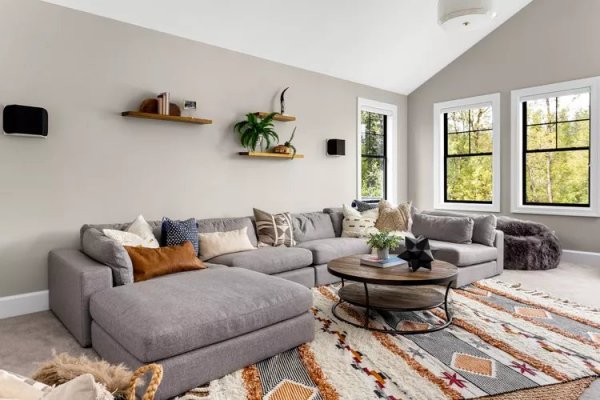
Choosing the correct area rug size is a critical design decision that can make or break a room's visual harmony. A well-proportioned rug anchors furniture, defines spaces, and adds warmth, while a too-small rug can make a room feel disjointed. This guide provides practical, room-by-room recommendations to help you avoid common sizing pitfalls and select the ideal rug for your home.
Before diving into specific dimensions, it's helpful to understand a few universal principles. A common mistake is buying a rug that's too small for the space. The goal is to have the rug act as a unifier, tying together the room's elements. As a general rule, all four legs of major furniture pieces should fit on the rug; if that's not possible, at least the front two legs should rest on it. Shape matters as much as size—for instance, a round rug under a round table creates a cohesive look. Also, aim for equal floor clearance around the rug, typically 6 to 24 inches beyond the furniture, and maintain 10 to 24 inches of clearance from the rug's edge to the walls for a balanced border. A practical tip is to use painter's tape to outline potential rug sizes on the floor, helping you visualize the fit before making a purchase.
Living Room and Kitchen Considerations
In the living room, your furniture layout dictates the rug size. For a large living room, a 10x14-foot rug makes a statement, allowing all furniture legs to sit on the rug while leaving a generous border—ideally 4 to 12 inches from the walls. This size also works well with a 9x11-foot or 10x10-foot sectional sofa. A 9x12-foot rug is a medium-sized option that anchors the seating area, though you may only fit the front legs of each piece on it; an 8x10-foot rug works similarly. For smaller living rooms, a 6x9-foot rug can float in the center of the seating arrangement or sit under just the coffee table, adding warmth and a focal point. A 5x7-foot rug is also suitable, and both sizes work with a 6x8-foot sectional, though the couch won't rest on the rug.
Kitchens benefit from easy-to-clean rugs that provide warmth and non-slip surfaces. In a spacious kitchen without an island, a 5x7-foot rug can be centered in the room. For a galley kitchen, a 2x9-foot runner placed lengthwise can make the space appear wider; this also works in front of a long kitchen island, ensuring the runner extends the island's length for balance. In wider kitchens, runners on either side of the island are an option. A 3x5-foot rug or a half-moon mat in front of the sink adds padding and comfort, with a 2x3-foot rug as a compact alternative.
Dining Room and Bedroom Sizing
In the dining room, the rule of thumb is to select a rug that allows the table and chairs to sit completely on it, with at least 8 inches of rug extending beyond the dining set. Ideally, chairs should remain on the rug even when pulled out. For a large dining room, a 9x12-foot or 10x14-foot rug fits a table seating eight or more, while an 8x10-foot rug suits a table for six. Round or square tables benefit from an 8x8-foot or 6x6-foot rug, ensuring chairs stay on the rug when extended. A 6x9-foot or 5x8-foot rug works for a table seating four, accommodating chair legs comfortably. If you have an expandable table, measure with the leaf in to ensure the rug fits when extended.
In the bedroom, the rug size depends on the bed size and whether nightstands flank it. Most of the bed and at least the front legs of the nightstands should sit on the rug. A 10x14-foot rug is ideal for a king-sized bed, extending at least 18 inches from the sides and foot of the bed, and can also accommodate nightstands. A 9x12-foot rug often fits under a queen-sized bed, and can work with a king if the back legs of the bed and nightstands are off the rug, again with 18 inches of extension. An 8x10-foot rug fits a queen-sized bed, though you may only get the front legs of nightstands on it; this size also works in a room with two twin beds and a single nightstand in the middle, with 12 inches of rug extending from the bed sides. A 2x9-foot runner can be placed at the bottom or sides of a queen or twin beds.
Bathroom, Hallway, and Entryway Tips
Bathrooms benefit from washable rugs. For a spacious primary bathroom, a 5x8-foot rug can be used, and circular rugs can soften sharp lines, especially under a clawfoot tub. A 2x6-foot runner works well below a double vanity or along a narrow bathroom. Smaller 3x5-foot or 2x3-foot rugs are perfect for compact powder rooms, adding personality or warmth under the sink, toilet, or shower.
Hallways and entryways often use runners. A 2x9-foot or 2x6-foot runner is a classic choice for a long, narrow hallway, but remember the opposite rule: keep furniture legs off the rug for easy cleaning. For a foyer, use the door width as a guide, adding a couple of inches on each side. A 2x3-foot or 3x5-foot doormat is ideal for a small entryway, serving both function and style. For double entry doors, a larger 5x8-foot rug can run the width of the entryway, offering a soft and stylish welcome.
When determining the right size, consider your furniture configuration and use masking tape to outline the area. The most popular sizes for living rooms are 8x10 and 9x12 feet, fitting typical spaces. An 8x10 rug covers 80 square feet, a standard size for many rooms. By following these guidelines, you can choose a rug that enhances your home's balance and warmth.