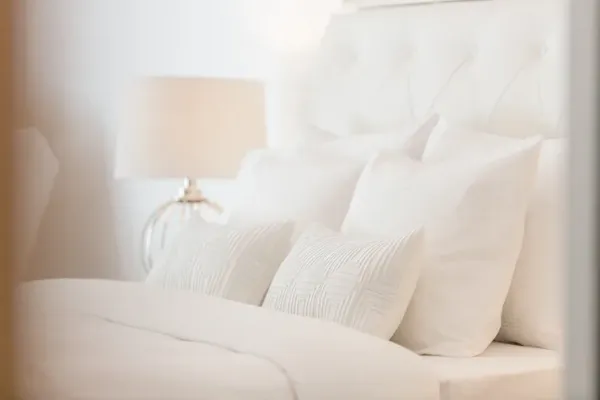
White towels and sheets have long been a hallmark of upscale hospitality, instantly signaling cleanliness and calm. But is this aesthetic practical for the average household? Industry professionals suggest that while white linens offer distinct advantages, they also demand a level of care that may not fit every lifestyle.
The appeal of white linens is rooted in their visual simplicity. "To me, white linens instantly feel calm, clean, and elevated," says Rechelle Balanzat, founder and CEO of laundry service Juliette. "There’s a reason hotels use them; it creates that fresh, consistent experience every time." This minimalist look can be replicated at home without the worry of matching sets, as all items share the same neutral tone.
Why Professionals Prefer White
Beyond aesthetics, white fabrics offer practical benefits for laundering. Balanzat notes, "I’m not limited by color, so I can use warmer water, oxygen bleach, and really remove oils, sweat, and buildup properly. They also give you clarity. You can actually see when something is clean." This visibility is crucial, especially for items like towels that can harbor bacteria. Jessica Gonzalez, COO of Sparkly Maid San Antonio, explains, "The most effective way to address that is consistent, thorough washing on a hot cycle, which white linens both tolerate and—because of their visibility—tend to get more reliably than colored alternatives."
Additionally, white linens simplify the laundry process by eliminating the need to sort colors. "You never have to worry about dye bleeding from a dark item onto a lighter one, and you can wash the whole set in hot water [without] any concern about fading," Gonzalez adds. This efficiency is a key reason why many professional cleaners favor white.
The Challenges of Keeping White Pristine
However, the same visibility that aids cleaning can also be a drawback. "They show everything," Balanzat admits. "Makeup, self-tanner, skincare—nothing is hidden." Sunscreen is a particular culprit, with Gonzalez noting that "formulas containing avobenzone can create rust-colored stains on white fabric that are genuinely difficult to remove, and most people do not realize the product is the source until the damage is already done."
Moreover, the margin for error is slim. Washing whites with even a single colored item—especially red, dark blue, or green—risks permanent dye transfer. Using the wrong detergent or overusing chlorine bleach can paradoxically cause yellowing over time, warns Gonzalez. This means that white linens require consistent, careful maintenance, which may not suit those with busy schedules or infrequent laundry routines.
Expert Tips for Laundering White Linens
To keep white linens looking their best, professionals recommend avoiding common pitfalls. Overusing chlorine bleach is a frequent mistake. "It weakens fibers and can actually cause yellowing over time," Balanzat says. "I always recommend switching to an oxygen-based alternative instead."
Proper loading is also essential. Avoid overcrowding the washing machine to ensure thorough rinsing. Balanzat advises, "Wash them more often than you think. Most of what people see as ‘stains’ is really buildup, and staying ahead of that makes all the difference."
In summary, white linens can bring a touch of hotel-like serenity to any home, but they are not without their demands. For those willing to commit to regular, careful laundering, the payoff is a clean, cohesive, and elegant look. For others, the upkeep might outweigh the aesthetic benefits. As with many home decisions, the choice ultimately depends on personal priorities and lifestyle.