Interior design trends spread faster than ever through social media, but not all advice floating around TikTok is worth following, according to a panel of design professionals. From painting over natural stone to over-the-top DIY projects, these experts shared the advice that makes them cringe—and why you might want to think twice before implementing it in your own home.
Architect Cliff Tan, known for his feng shui expertise on the platform Dear Modern, and interior designers Steven Graffam and John Stivale, co-founders of Stivale-Graffam Home, weighed in on the most problematic trends they've observed. While style is subjective, they agree that some viral suggestions can lead to costly mistakes or visually unbalanced rooms.
Color Drenching and the Risk of Irreversible Changes
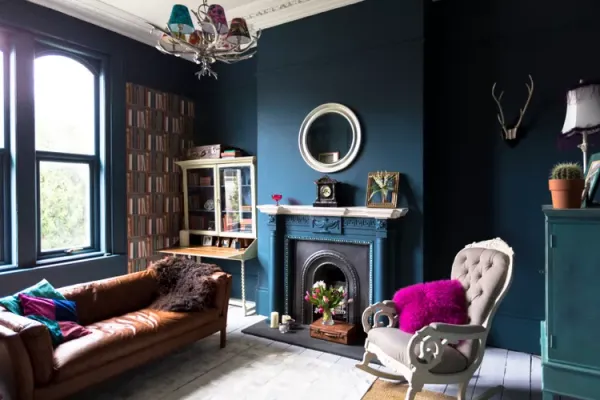
One of the most popular trends, color drenching—painting everything in a room the same hue—can be taken too far, warns Tan. He specifically calls out painting over wooden floors, stone fireplaces, or antique furniture, which are difficult to restore. “While there's nothing wrong with preferring white over brick, often paint gives a very plastic feel that can only look good through a tiny phone screen,” he says. Tan predicts these painted-over features won't age well and may end up looking like a fake film set. He advises working with the natural colors and original fixtures, even if it means adjusting your initial color scheme, as it might lead to surprising results.
Bold Colors Without a Plan
Steven Graffam is glad that color is making a comeback, but he worries that TikTok encourages a chaotic approach. “While bold color is great, it’s all about balance, not chaos,” he says. He points out that neon green walls with purple furniture might look cute on a phone screen but will likely clash in person. Similarly, Tan cautions against painting rooms dark and moody without considering the room's function and lighting. “In reality, dark walls will make rooms feel unbalanced and difficult to carry out daily tasks,” he explains, adding that in sunny rooms, the contrast can be almost blinding. He suggests easing into color with lighter shades rather than making a dramatic jump from white to near-black.
DIY Overload and Unrealistic Expectations
John Stivale is concerned about the proliferation of DIY videos that encourage average homeowners to take on complex projects. “I’m a hard pass on the 'over-the-top DIY' videos, [such as] gluing glitter to everything and calling it chic,” he says. “Sometimes less really is more, and you don’t need a hot glue gun to make something beautiful.” He advises people to be skeptical of instant transformation hacks and to consider contacting a professional for major renovations.
Tan also highlights the danger of taking design advice without context. He emphasizes that his own advice is based on “rock solid design and psychological theories,” not just taste, and he worries that unspecific tips can mislead. Graffam adds that a common mistake is adding mirrors to any room without thought. While a well-placed mirror can make a space feel larger, in a crammed room it can have the opposite effect. “It’s already packed with furniture,” he says. “I mean, how many mirrors can one room handle?”
Finally, Tan points out that social media often implies unrealistic timelines for well-executed designs. “Even the best designers need to test fabrics and make mood boards to know how things look together,” he says. The before-and-after videos that appear in seconds remove the mistakes and test-runs that are part of the real process. “Remember that these actually come together over years of slowly piecing stuff together,” Tan adds. “It would be a demoralizing mistake to think that you can do the same from a day out at IKEA.”
For homeowners looking to refresh their spaces, the experts' advice is clear: prioritize balance, context, and longevity over fleeting trends, and don't be afraid to seek professional guidance when a project is beyond your skill level.