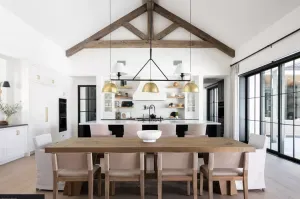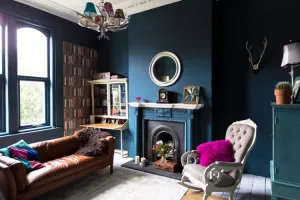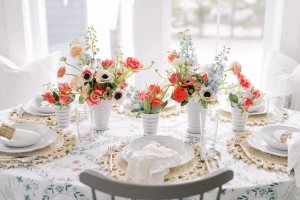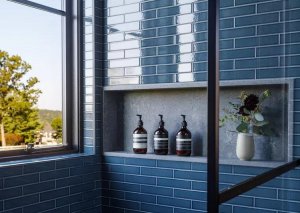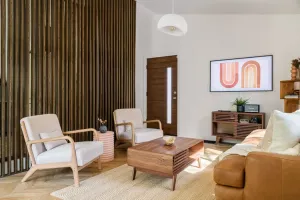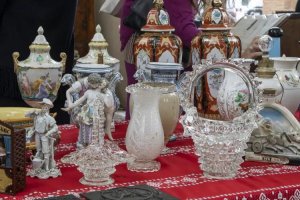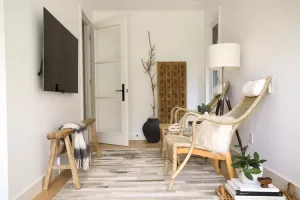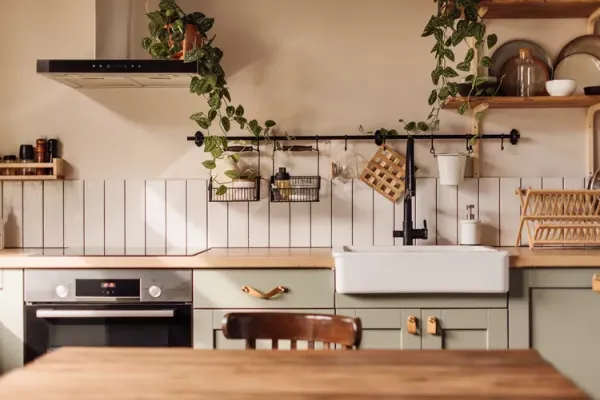
As the appeal of thrifting and vintage finds continues to grow, many homeowners are discovering that a beloved antique or flea market treasure doesn't have to clash with a contemporary aesthetic. Three interior design professionals offer practical strategies for integrating these pieces into modern spaces while maintaining a fresh, intentional look.
Kim Morris, founder and principal designer of Kimberly Morris Interiors, and Inara Tirkkonen, an interior architect and art team lead at the design app Redecor, shared their insights on how to blend old and new seamlessly. Their advice ranges from making vintage items the centerpiece to repurposing them in unexpected ways.
Starting with a Focal Point
When introducing a vintage piece into a modern room, Morris recommends beginning the design process from scratch, regardless of the item's size. She suggests selecting one or two standout pieces and building the surrounding decor around them. "Less is more when it comes to styling vintage items in a modern home," she says, emphasizing that a single focal point can anchor the space without overwhelming it.
Tirkkonen echoes this sentiment, noting that vintage pieces often carry rich textures and patinas that add warmth to sleek interiors. She encourages incorporating materials like distressed wood, aged leather, brass, and handwoven fabrics to create depth and visual interest.
Embracing Personal Style and Cohesion
Integrating a vintage item that doesn't immediately fit can feel jarring, but Morris advises homeowners to lean into their personal taste. "Spend time determining what it is about those pieces you love the most, and curate surrounding decor that highlights your favorite qualities," she suggests. By appreciating the color, material, and style of the item, and how it resonates with the home's aesthetic, it may find its place more naturally than expected.
Maintaining consistency in design style across eras is key to creating a space that feels intentional and timeless, Morris adds. This approach ensures that the blend of old and new doesn't appear haphazard but rather thoughtfully curated.
Layering, Color, and Contrast
Layering vintage items with furniture and decor of similar materials or from the same time frame can enhance their cozy appeal. Tirkkonen suggests mixing materials to add depth, while Morris advises color coordination as a unifying thread. For example, a vintage watercolor in a gold frame can be paired with coffee table books whose spines echo its hues, or a vintage rug's complementary colors can be pulled through pillows and throws.
For those seeking a bolder approach, Tirkkonen recommends creating contrast by juxtaposing old and new. "Balance is crucial," she says. "Pairing vintage items with contemporary pieces creates contrast and helps you avoid an outdated look: Think a minimalist sofa with an ornate antique coffee table or using a mid-century cabinet in a modern setting."
Repurposing and Creative Placement
If a sentimental piece doesn't fit a conventional spot, designers suggest thinking outside the box. Tirkkonen notes that an old dresser can be transformed into a stylish bathroom vanity, or a vintage trunk can serve as a coffee table. Similarly, unexpected placements—like styling a vintage rug or lamp in a kitchen or bathroom—can breathe new life into both the item and the space.
Repurposing items for storage or as planters can also inspire an evolution of style. A hallway designed by House Nine Design Studio, for instance, features a wooden bucket turned into a storage vessel, lending the area a welcoming, rustic farmhouse feel.
Ultimately, the experts agree that the goal is to create a home that feels cohesive and personal. By following these strategies, homeowners can honor the past while enjoying a fresh, modern aesthetic.