Etiquette professionals are pushing back against long-held assumptions about dinner party conduct, urging hosts and guests alike to trade rigid rules for genuine hospitality. In a recent roundup, three experts—Rosalinda Randall, a nationally recognized etiquette expert; Kelly Soule, founder of Kelly Elizabeth Events; and Alison Cheperdak, certified etiquette coach and founder of Elevate Etiquette—shared seven myths that they believe are overdue for retirement.
One of the most persistent myths is the obligation to serve wine brought by a guest. Randall and her peers clarify that unless the host specifically requested the bottle as a contribution, there is no requirement to open it during the event. Hosts typically plan their beverage menu in advance, and the gifted bottle can be enjoyed later. This perspective shifts the focus from rigid reciprocity to thoughtful hosting.
Similarly, the expectation of formal attire is fading. Randall notes that the "come-as-you-are look is perfectly acceptable," emphasizing that comfort in one's clothing is what truly matters. This modern approach allows guests to relax and engage more fully with the evening.
Another myth is the necessity of party favors. Event planner Kelly Soule argues that the meal and the company are the real gifts, and many trinkets end up unused. Skipping favors not only saves money but also reduces clutter, aligning with a more sustainable mindset.
Regarding meal service, Soule challenges the notion that plated dinners are superior to buffets. A buffet, she explains, "allows guests to not only get more food, but they can select what they like and make their own meal," also making it easier to accommodate dietary preferences. This practical approach can be more inclusive and less stressful for hosts.
Timing and Table Manners
Contrary to popular belief, arriving early is not considered polite. Alison Cheperdak humorously notes, "A dinner party is not a dentist appointment," underscoring that hosts often need every minute for last-minute preparations. The recommended window is to arrive within the first 15 minutes after the stated start time, unless the host has explicitly asked for help with setup.
Guests also need not feel compelled to clean their plates. If a dish doesn't appeal or hunger is satisfied, it's acceptable to stop eating and simply thank the host. This relieves pressure and encourages mindful eating.
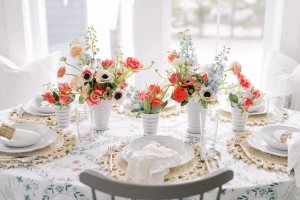
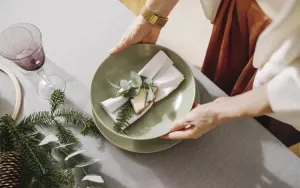
Finally, the idea that hosting requires a full inventory of matching china and table linens is dismissed. Cheperdak states, "Entertaining is not about having the right amount or type of material things or showing off. It's about loving people well and honoring relationships over food and drink—it doesn't need to be fancy, complicated, or expensive." This philosophy invites more people to open their homes, regardless of their resources.
These expert insights reflect a broader cultural shift toward authenticity and comfort in social gatherings. By discarding outdated expectations, both hosts and guests can focus on what truly matters: connection and shared enjoyment.