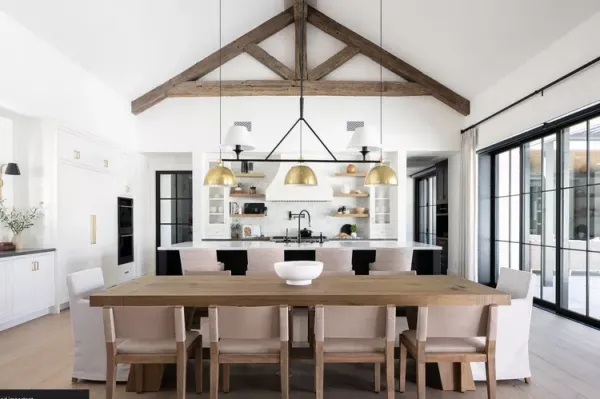
For homeowners who appreciate the serene calm of Scandinavian minimalism but also crave the warmth of rustic farmhouse aesthetics, a hybrid style is gaining traction. Known as minimalist farmhouse, this approach strips away the ornate flourishes of traditional farmhouse decor while retaining its cozy textures and natural materials. Bre Hance, owner and principal designer at InHance, a Los Angeles-based design-and-build firm, describes it as a “stripped-down version of the iconic modern farmhouse style,” featuring cleaner lines in cabinetry, moldings, and furniture, yet still embracing layered textures and wood surfaces.
The style addresses a common dilemma: not everyone lives in a barn conversion, but many desire that comforting, countryside-inspired feel. Minimalist farmhouse makes the look more achievable by focusing on simplicity and intentional design choices, rather than relying on architectural features. Hance emphasizes that because you’re working with less, every element carries more weight, so each selection should be deliberate.
Creating an Open and Airy Foundation
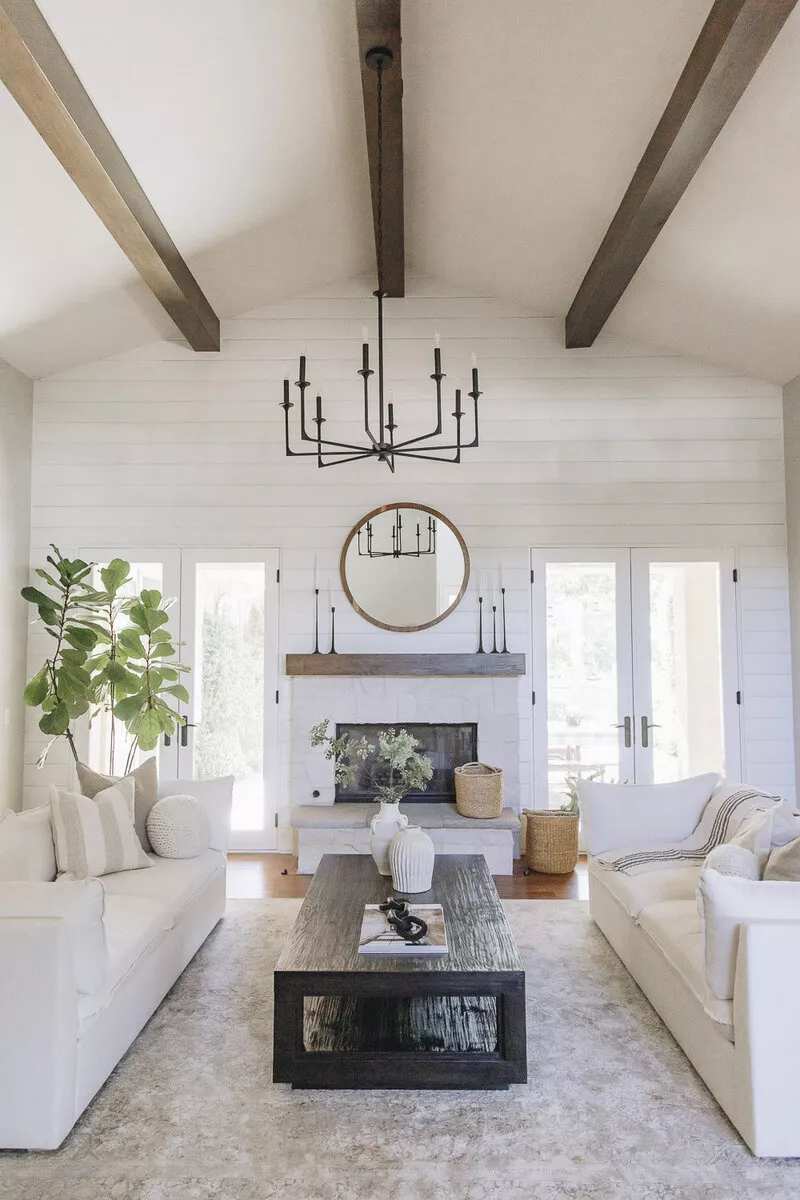
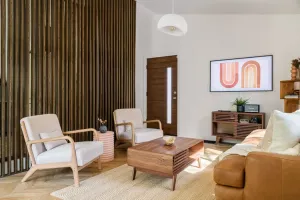
The hallmark of a minimalist farmhouse space is its sense of openness. This can be achieved even in smaller or non-open-plan homes through careful furniture arrangement and color choices. Hance advises keeping countertops and tables clear, rearranging furniture to allow for ample breathing room, and opting for light, neutral paint colors and cabinetry. These steps help establish a balanced, modern look that feels spacious and inviting, regardless of the home’s actual square footage.
“While modern farmhouse includes ornate textures and flourishes on furniture, minimalist farmhouse uses cleaner lines to achieve a balanced, modern look,” Hance explains. The result is a space where each piece stands out, making a bigger impact than in a more cluttered environment.
Layering Textures for Warmth
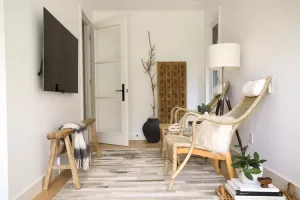
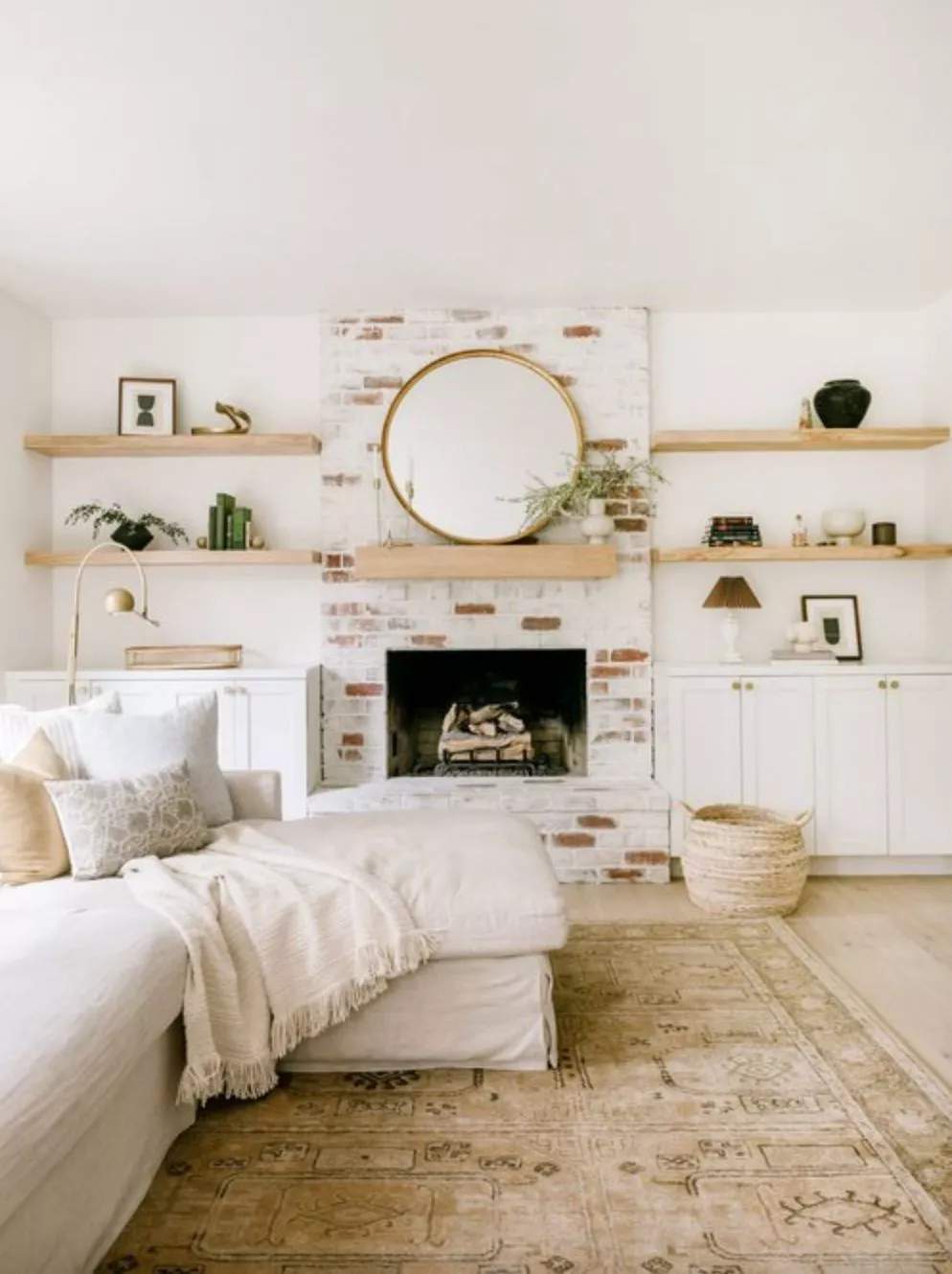
Despite its pared-down approach, minimalist farmhouse does not sacrifice comfort. Hance notes that “despite its more stripped-down approach, minimalist farmhouse still plays with different textures.” She suggests incorporating patterned area rugs, warm blankets, and pillows to add coziness. These textiles introduce visual interest and tactile warmth, essential for making a minimalist space feel lived-in and inviting.
Curating Open Shelving
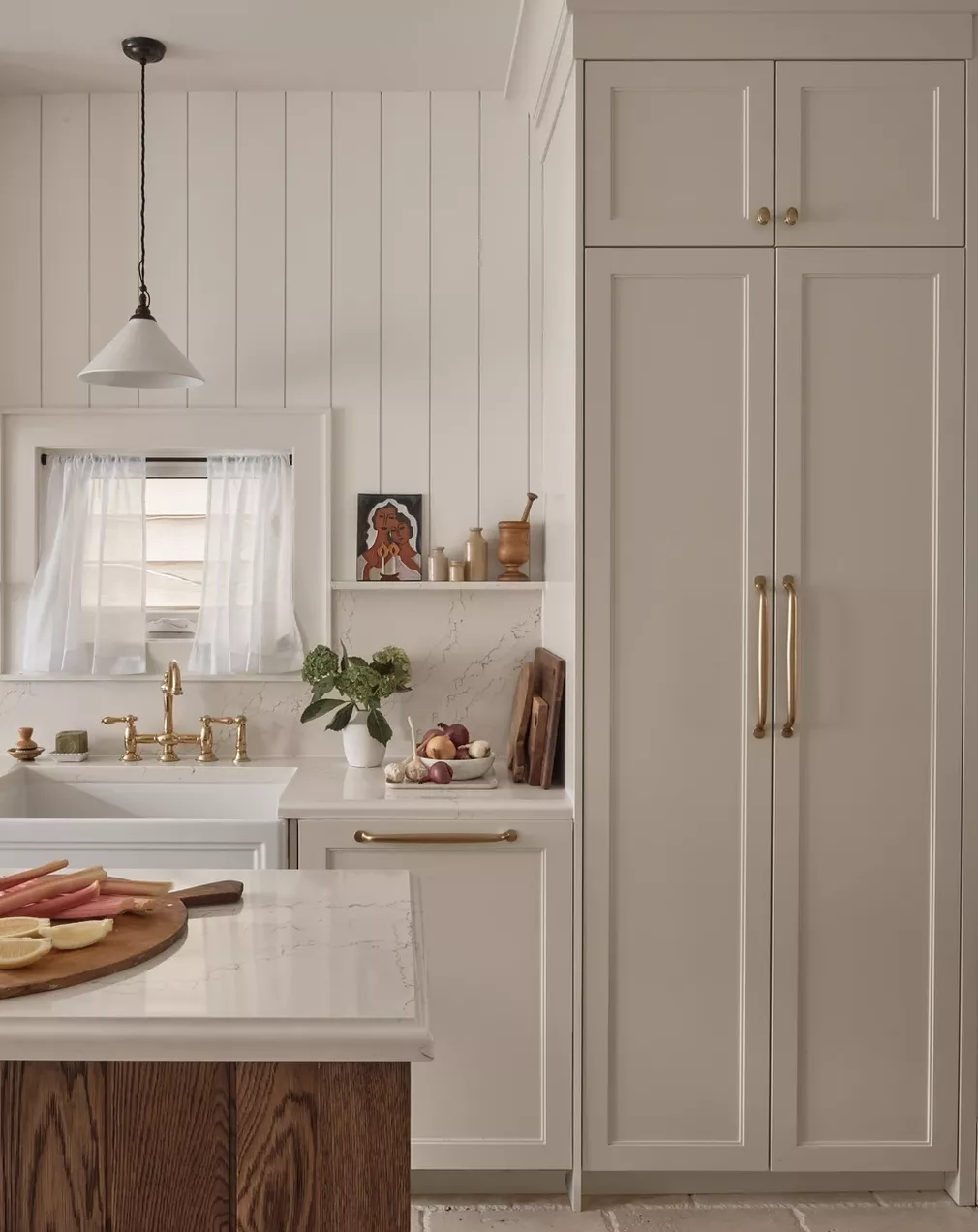
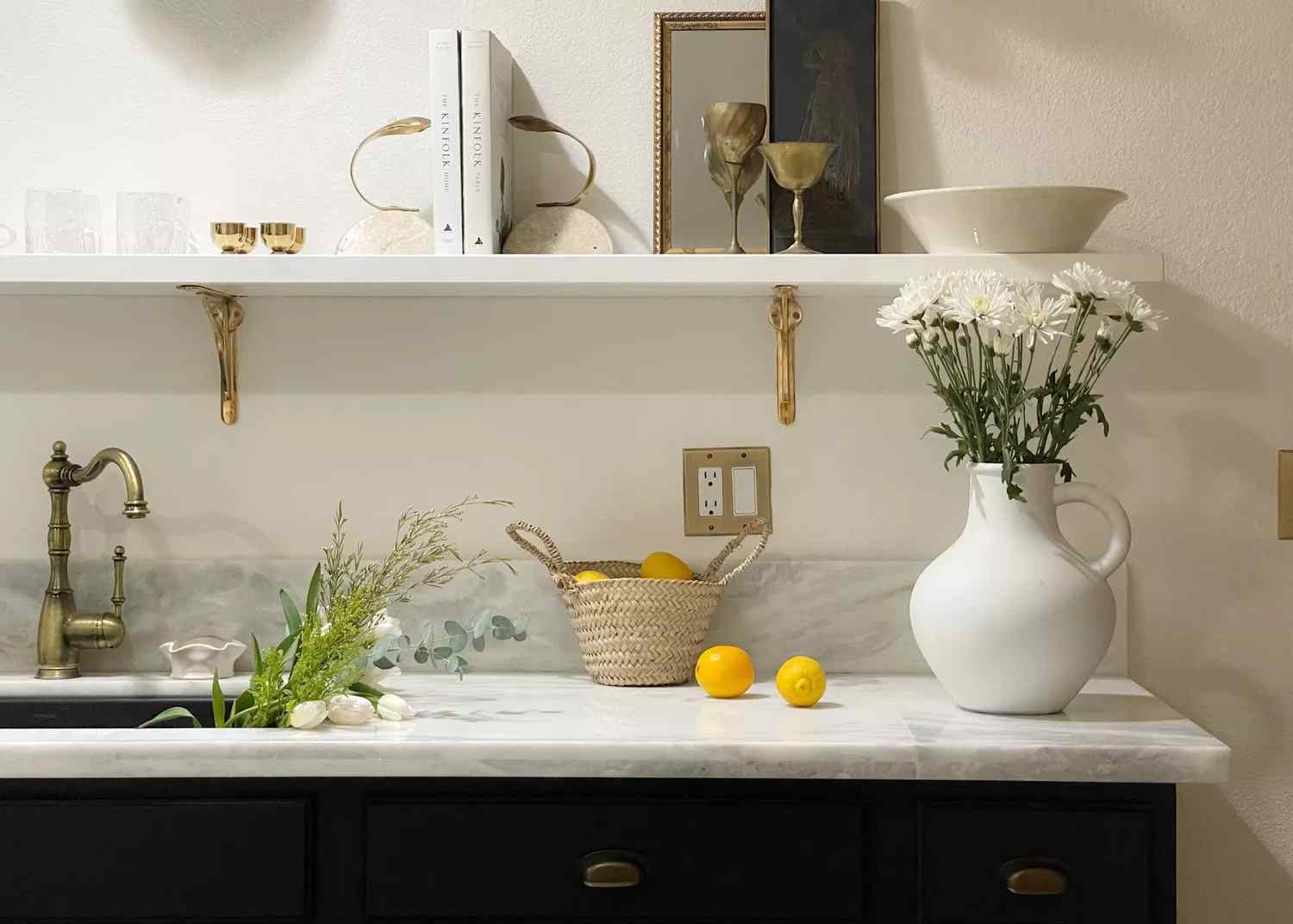
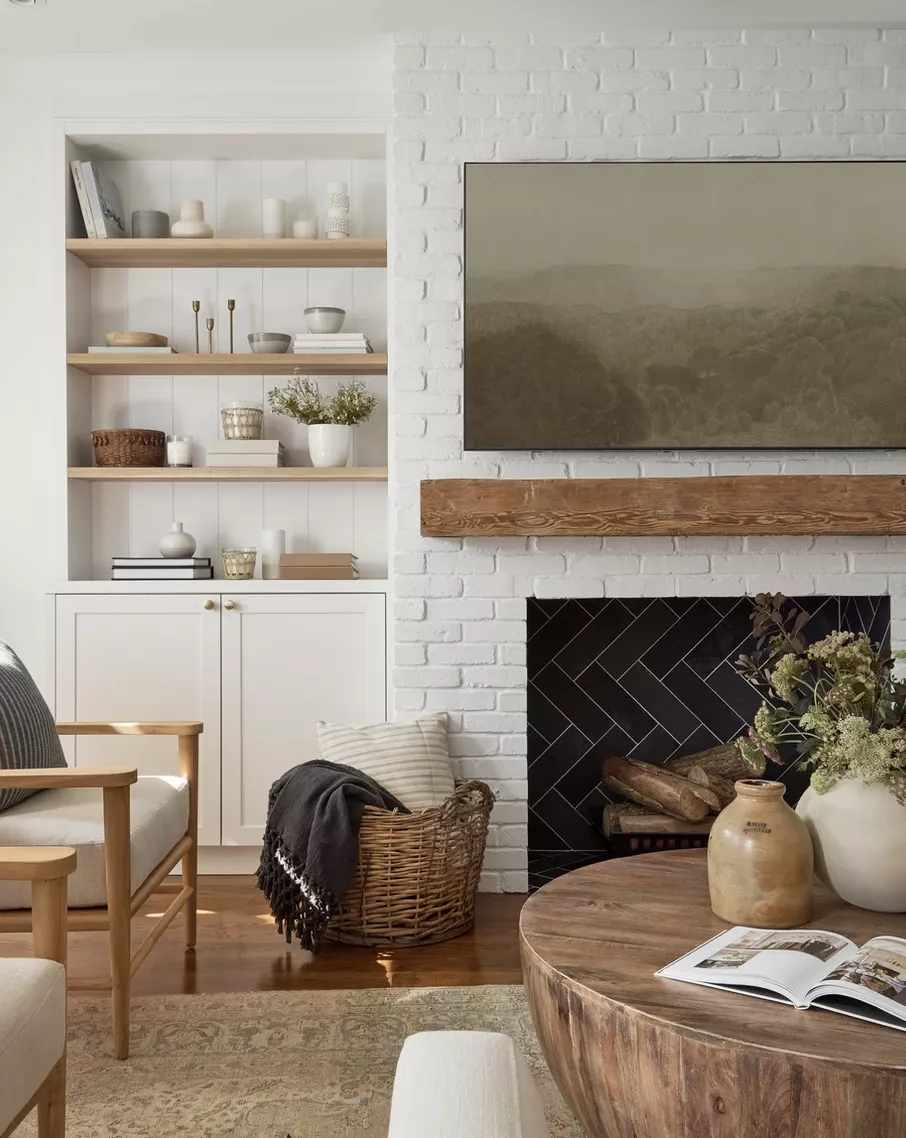
One of the more surprising recommendations from Hance is the use of open shelving. Rather than hiding everything away, displaying books or decorative items within the overall color scheme helps tie the room together. “Being intentional about which objects you display—and making sure not to cram too many onto the shelves—is important for achieving that distinct minimalist look,” she advises. This balance between personal expression and restraint is key to the style’s welcoming yet uncluttered feel.
Incorporating Wooden Accents
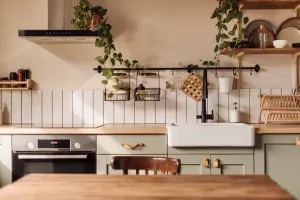
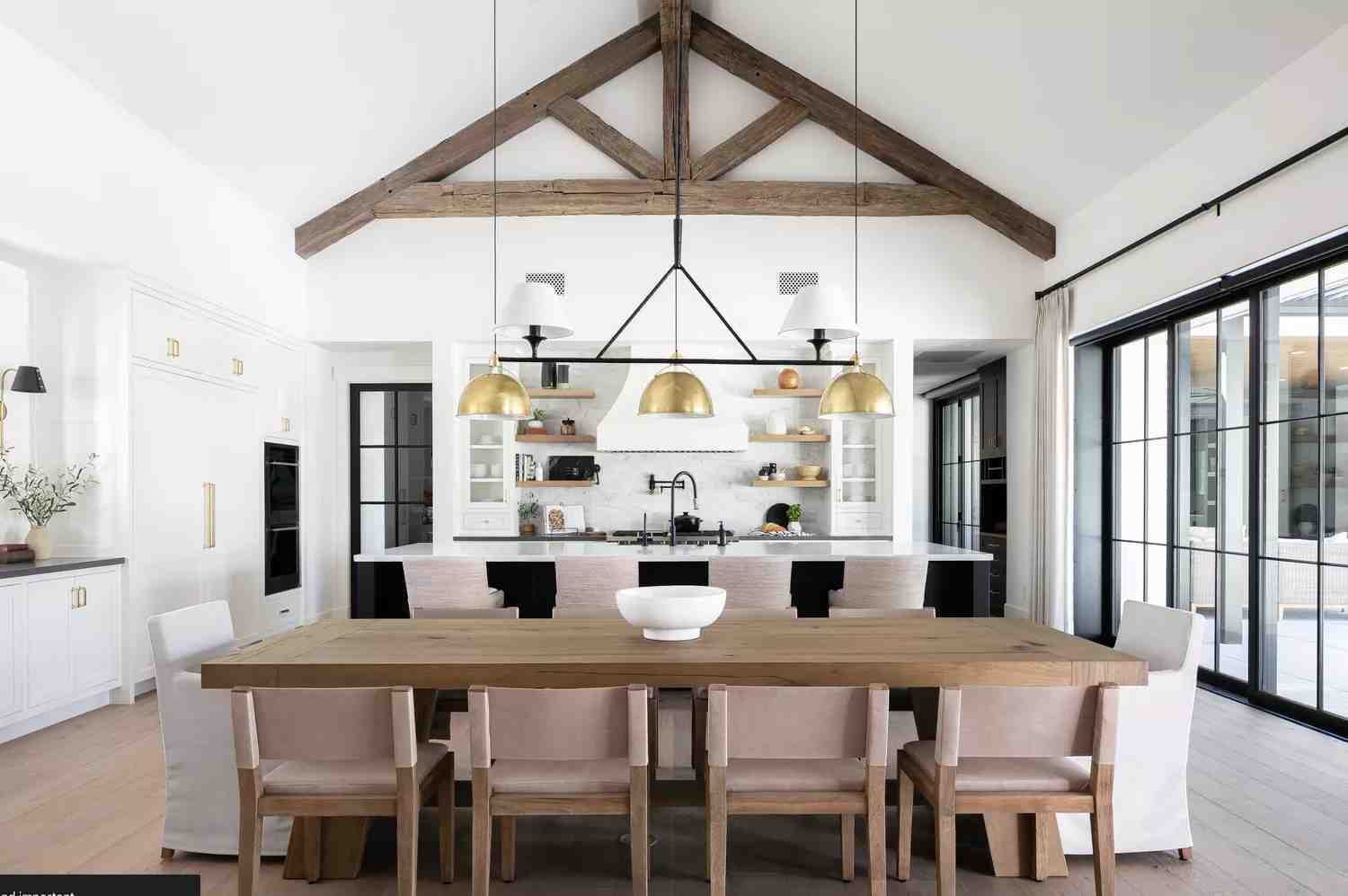
For those drawn to the rustic charm of wood, minimalist farmhouse retains this essential element. Hance points to exposed beams, hardwood floors, and decorative pieces as iconic features. However, she warns against overdoing it. “Natural wood elements are an iconic part of the minimalist farmhouse style—think exposed beams, hardwood floors, or decorative pieces to give your home that rustic feel,” she says, but advises being selective about placement so the wood truly stands out. Subtle options include photo frames, a wooden vase, or stylish storage boxes. For a more dramatic transformation, upgrading to wooden kitchen cabinets can serve as a focal point.
Embracing Natural Materials
Beyond wood, Hance recommends incorporating other natural materials like stone and linen to build ambiance. “A sturdy wooden table or granite countertop will bring a weight that complements the rustic, natural feel,” she says. These strong centerpieces anchor the room’s decor and contribute to the sense of spaciousness that defines the style. Adding greenery as a finishing touch brings life and freshness to the space.
Minimalist farmhouse design offers a practical path for those who want the comfort of farmhouse aesthetics without the clutter. By focusing on open layouts, layered textures, curated displays, and natural materials, homeowners can create a serene yet warm environment that feels both modern and timeless. As Hance’s guidance shows, the style is less about following strict rules and more about making thoughtful choices that reflect a balance between simplicity and rustic charm.