Living with a small room often feels like a design puzzle, but the constraints can actually be an advantage. Compact spaces are simpler to furnish, maintain, and keep organized. The real challenge is making them feel more spacious than their square footage suggests. Fortunately, a few strategic tweaks—from decluttering to choosing the right colors—can dramatically alter the perception of size without requiring a major renovation.
Interior designers consistently point to one overarching principle: visual clarity. When a room is free of visual noise, the eye can travel more easily, making the space feel larger. This starts with clearing out clutter. Collections and miscellaneous items should be tucked away behind doors, under table skirts, or on shelves, so that the visible area feels orderly and open. The same logic applies to pathways. Furniture that blocks sightlines or walkways makes a room feel cramped. Opting for low-profile pieces—like an ottoman, an armless chair, or a low table—and placing taller items against walls helps keep the floor visible, which is a key trick for creating a sense of expanse.
Color and Light: The Dynamic Duo
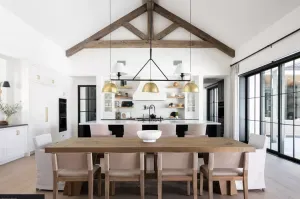
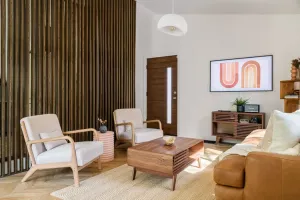
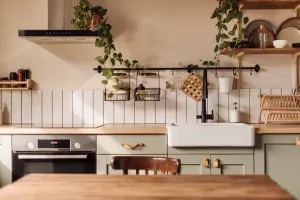
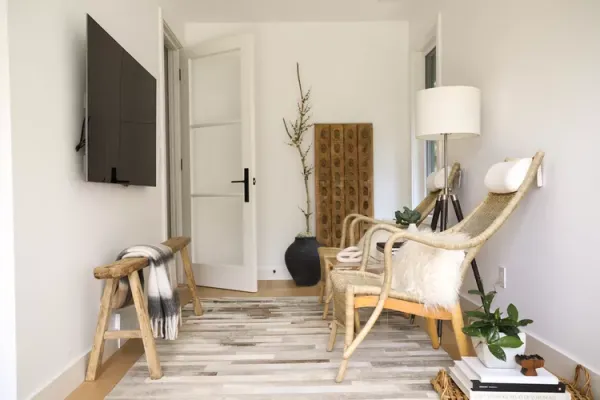
Color choice plays a pivotal role in spatial perception. While dark, warm hues create a cozy, intimate atmosphere, light, cool shades like soft blues and greens make a space feel open and airy. A neutral color scheme—using tone-on-tone woven fabrics, textured wall finishes, and tonal drapery—can also contribute to a more expansive look. Interestingly, matching furniture to the wall color can blur the boundaries of the room, making it feel larger. For an all-white palette, natural wood and woven accents add warmth without breaking the visual flow.
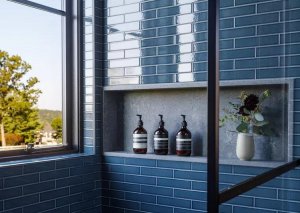
Light is equally transformative. A well-lit room, whether through natural sunlight or artificial sources, instantly feels more spacious. Removing heavy draperies and opening windows lets the outdoors in, while adding lamps, track lighting, or recessed fixtures can brighten dark corners. For a truly seamless look, transparent materials work wonders. In a small bathroom, swapping an opaque shower enclosure for a clear, frameless one can make the space feel less confined. Similarly, glass or Lucite tabletops—like an acrylic console in an entryway—virtually disappear, creating an illusion of more floor space. A dining or coffee table with a solid base and a glass top achieves a similar effect, keeping the room visually light.
Strategic Furniture and Fabric Choices
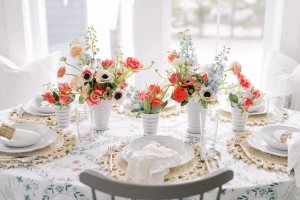
Another effective strategy is to go big. Instead of filling a room with many small pieces, choose a few large, simple furniture items. This reduces visual clutter and creates a calm, comfortable atmosphere. When it comes to upholstery, solid colors are preferable to bold plaids or stripes. Texture can add interest without overwhelming the space. Sheer fabrics for window treatments, bed skirts, and table covers allow light to pass through, further enhancing the airy feel. Even subtle patterns, like soft floral vines or simple stripes, can keep the look uncomplicated.
Mirrors are a classic tool for enlarging a room. A large framed mirror on a wall, or an oversized one leaning against it, reflects light and the room itself, creating a more open feeling. For a similar effect, consider topping a coffee or side table with beveled mirror glass or choosing a mirrored chest of drawers.
Beyond the Basics: Color and Placement Nuances
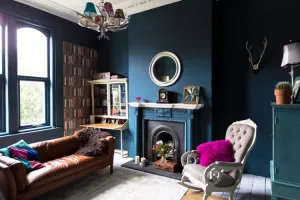
While pale neutrals and pastels are go-to shades for making a room feel bigger, there's a counterintuitive trick: painting walls, ceiling, and trim in a dark shade—like navy, brown, gray, green, or black—can blur the edges of the room, making it feel cozier and, in some cases, larger. Patterns also influence perception; bold horizontal stripes can make a room appear wider, while vertical stripes can make ceilings feel taller.
In a small bedroom, bed placement is crucial. If possible, position the bed on the wall farthest from the door, facing out, to maximize floor space and let the largest piece of furniture recede. If the layout requires a side wall, place the bed on the left or right side depending on the door's location. For instance, if the door is on the right wall, placing the bed on the left creates a clear path and prevents the bed from blocking flow, which would otherwise make the space feel cramped.
These adjustments, while simple, can have a profound impact on how a small room feels. They prove that with a little thought, even the most compact space can feel open, inviting, and stylish.