When it's time to upgrade a bathroom, the showerhead often gets overlooked, yet it's a central piece that defines daily comfort. The market now offers a wide array of options, from simple fixed models to high-tech LED versions, each with its own set of trade-offs. Understanding the distinctions can prevent a costly mistake and ensure the fixture matches your routine and home's plumbing capabilities.
According to a recent overview of showerhead options, the selection process has evolved beyond picking a finish that matches the tiles. Now, buyers must weigh features like spray patterns, filtration, and even lighting. The guide below breaks down ten common types, their pros and cons, and crucial considerations such as water pressure and flow rate, which are often overlooked until after installation.
From Fixed to High-Tech: A Look at Common Types
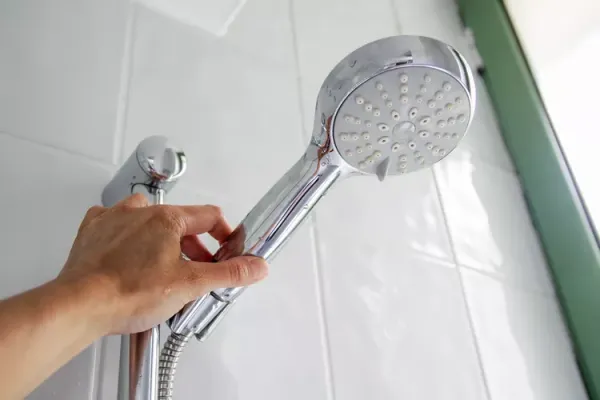
The most traditional option is the fixed showerhead, mounted on the wall at about 80 inches high. It's prized for its simplicity, consistent water pressure, and wide range of finishes and price points, though it lacks adjustability. For those who need flexibility, a handheld showerhead offers a detachable design, making it easier to rinse pets, clean the shower, or accommodate users with limited mobility. However, these models tend to have more moving parts and a shorter lifespan.
For a spa-like experience, body spray or panel showerheads are mounted on the wall to target the body directly, often paired with a fixed or rainfall unit. These can be expensive and may require additional plumbing. Similarly, rainfall showerheads, which mount overhead, create a luxurious, gentle cascade but often reduce water pressure due to their large surface area. A filtered showerhead incorporates a built-in filter, offering point-of-use filtration benefits, though it may limit design choices and also reduce pressure.
Combining features, a dual showerhead merges a fixed and handheld unit in one fixture, providing versatility, but it's wise to select one with a shut-off valve for the handheld to maximize pressure. Sliding bar showerheads allow height adjustment along a vertical bar, ideal for households with varying heights, but they can be bulky. For the environmentally conscious, eco showerheads optimize spray patterns to use less water, potentially saving money, though they may have a higher upfront cost and a different feel.
Adding a visual element, LED showerheads use a dynamo to convert water pressure into electricity, eliminating the need for wiring. Some models change color with water temperature, offering a customizable experience, but these extra components can be prone to breaking. Finally, massage showerheads feature pulsing technology and adjustable spray patterns for a relaxing water massage, often at an inexpensive price, though design options are limited.
Finishes and Practical Buying Tips
Once the type is chosen, the finish plays a key role in aesthetics. Common options include chrome, known for its durability and easy cleaning; nickel, which has a softer luster and can look slightly brassy; brass, a classic choice with timeless appeal; and bronze, which is darker but varies significantly in shade among manufacturers.
Before purchasing, experts advise checking the price tag, as fixtures can range from under $100 to over $1,000. It's also important to consider all users in the household, and if undecided, combining multiple types—like rainfall and body spray—can create a custom setup. Crucially, assess your home's water pressure; a large rainfall head or multiple fixtures may not perform well if the supply line is small. Look for adjustable spray patterns and water-saving features, and consider the flow rate, measured in gallons per minute (GPM), to balance enjoyment with conservation.