Three interior design professionals have identified seven recurring kitchen design pitfalls that can undermine a room's warmth and practicality. From overloaded open shelving to oversized islands, these common missteps often turn a would-be gathering spot into a source of visual or functional frustration. The designers, who spoke with our editorial team, also provided straightforward corrections that homeowners can apply without a major renovation.
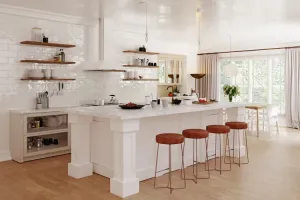
Nina Lichtenstein, founder of a New York-based design firm, points to open shelving as a frequent offender. While the look can be airy and minimalist, she notes that shelves quickly become cluttered with accumulated items, turning a stylish feature into a dust-collecting eyesore. Her advice: limit open shelving to a single statement spot, such as above the sink, and use it for displaying favorite cookware rather than everyday storage.
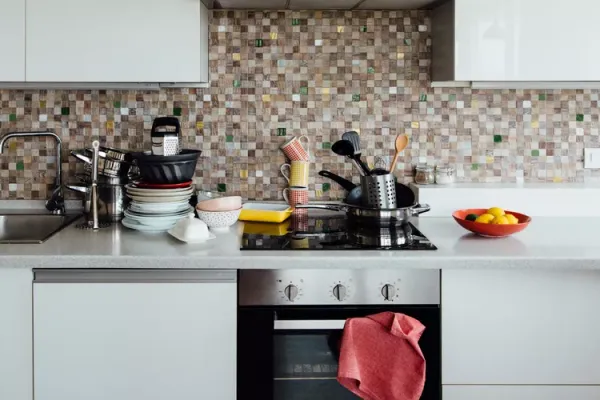
Aino Heinäsuo, head designer at the home decorating app Redecor, flags cluttered countertops as one of her biggest pet peeves. Visible appliances and utensils, she says, instantly make a kitchen feel less clean. The fix is simple: store as many items as possible in cabinets, keeping counters clear for a more relaxing and functional workspace.
Islands and Hardware: When Bigger Isn't Better
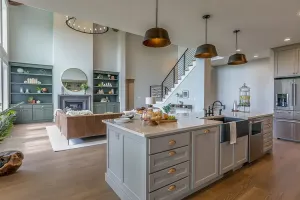
Peter Spalding, chief creative officer and co-founder of Daniel House Club, reserves his strongest criticism for oversized kitchen islands. "Giant kitchen islands are my number one dislike," he says, describing them as "tacky, showy, and not at all useful." He advises homeowners to make existing islands more approachable by reducing bar stools and adding decorative touches like lamps and trays, rather than treating the space like a cocktail bar.
Cabinet hardware is another area where designers see frequent missteps. Lichtenstein warns against ornate, oversized handles that can make a kitchen look heavy and dated. She also cautions against mixing too many metal finishes, which can appear jarring. Her recommendation: choose one finish for large elements like faucets and lighting, and a complementary finish for cabinet hardware, with matte black, brass, champagne bronze, and brushed nickel among her top picks.
Backsplashes, Lighting, and Greenery: The Finishing Touches
Backsplashes can make or break a kitchen, according to Lichtenstein. While bold colors and patterns can add personality, overly intricate designs can overwhelm the space and clash with countertops and cabinetry. She suggests building interest through texture and subtle tonal variations in materials like ceramic subway tile, brick, or stone.
Lighting is another critical element. Heinäsuo warns that harsh overhead lighting can make a kitchen feel cold and uninviting. She recommends indirect light sources, such as pendant lights over an island and motion-activated LED strips under cabinets, to create a warm, cozy ambiance.
Finally, artificial plants often miss the mark. Lichtenstein, who favors natural materials, says fake greenery tends to collect dust and feel inauthentic. For a low-maintenance alternative, she suggests growing herbs that can be used in cooking or houseplants like pothos that thrive in low light.
These insights come from designers with years of experience in residential and commercial projects, offering a practical checklist for anyone planning a kitchen refresh. By avoiding these seven common mistakes, homeowners can create a space that is both beautiful and functional—a true heart of the home.