When it comes to crafting a living room that feels both inviting and stylish, the details matter. Interior designers often spot the same recurring issues that can make a space feel dated, disjointed, or simply off. From matching furniture sets to undersized rugs, these common choices can quietly undermine an otherwise well-intentioned design. We asked three designers to share the pet peeves they see most often—and how to avoid them.
Why Matching Furniture Sets Fall Flat
Taylor Fusco, founder of Tay Fusco Design, is unequivocal: matching furniture sets are a major no-no. "Nothing is worse," she says. Instead of buying a coordinated suite, Fusco encourages homeowners to mix pieces from different retailers. This approach takes more time and effort, but the payoff is a more authentic, curated look that reflects personal style rather than a showroom display.
The Case Against Bulky Entertainment Centers
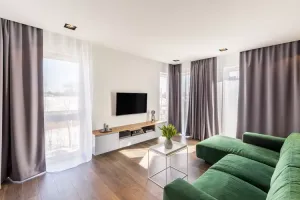
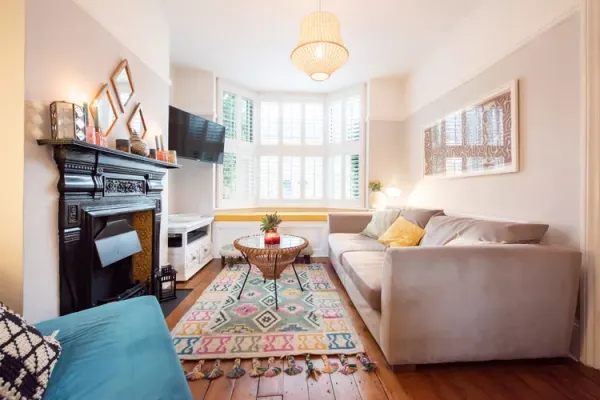
No one expects you to give up your television, but the way you house it can make or break the room. Fusco recommends mounting a sleek TV directly on the wall and placing a slim console beneath it. To add character, style the top of the console with a few books or decorative objects—a simple trick that brings warmth to the area.
Getting Furniture Scale Right
Scale is a recurring theme in design, and Madelaine Mayer, founder of AD:ROIT, says it's a frequent problem. Furniture that's too small can make a room feel cluttered, while oversized pieces can make it feel uncomfortable. "The key is balance," Mayer explains, "using a combination of smaller and low-profile pieces with larger, taller, and more impactful ones while maintaining harmonious proportions between adjacent elements."
One specific issue Mayer often sees is media consoles that are too small for the TV. She advises choosing a console that is 10 to 12 inches wider than the television on each side to create a balanced, grounded look.
Rug Size and Material Matter
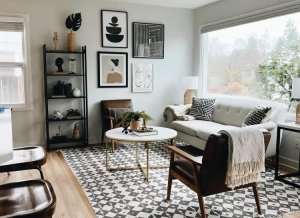
Rug selection is another area where scale is critical. Mayer notes that an 8 by 10 foot rug works well for most living rooms, while larger spaces or those with big sofas or sectionals may need a 9 by 12 foot rug. "If the front legs aren't on the rug, the furniture doesn't feel grounded and the rug itself tends to feel like an island in a sea of flooring," she says.
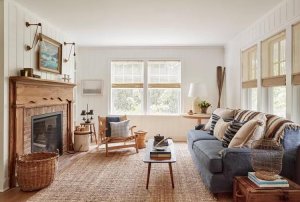
Laura Bebber, founder of Lark Design, adds a warning about indoor/outdoor rugs. "With a few exceptions, they tend to look like a piece of paper lying on the living room floor," she says. Instead, she recommends choosing a plush, welcoming rug that adds warmth and coziness to the room.
The Impact of a Dated Ceiling Fan
Ceiling fans are often a practical necessity, but they can also be a design liability. Bebber points out that an outdated fan can age an entire room. "You can update the whole living room, but if you leave the old ceiling fan, it will be the only thing you notice when you walk in the room," she says. "They have a way of aging a room faster than a standard dated light fixture." Her advice: choose a contemporary white fan that blends with the ceiling and maintains a low profile.
By steering clear of these six common pitfalls, you can create a living room that feels intentional, balanced, and timeless—no matter your personal style.