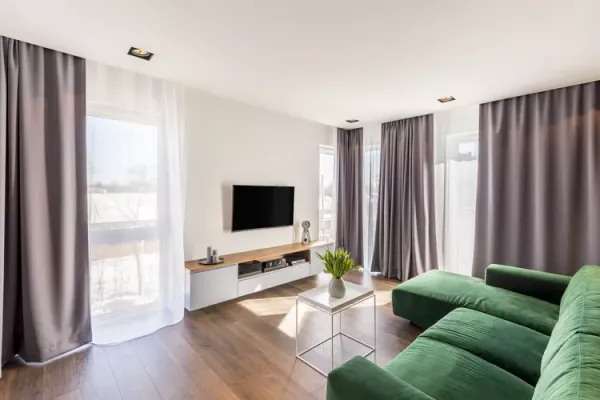
When it comes to refreshing a room's aesthetic, window treatments often play a pivotal role, yet many homeowners overlook the subtle cues that make curtains feel dated. Interior designers point to six specific styles that can undermine a space's polish, from hardware-heavy grommets to overly ornate valances. The consensus: a shift toward tailored, custom-fit panels and layered textures is key to achieving a look that endures.
Designers Cortney McClure of Cortney McClure, Danielle Chiprut of Danielle Rose Design Co., and Candace Plotz of Candace Plotz Design weighed in on the common pitfalls and offered practical alternatives. Their advice centers on proportion, fabric, and the importance of hiding the mechanics of window treatments.
Grommet Tops and Exposed Hardware
Grommet-style curtains, which feature metal rings sliding over a rod, are a frequent offender. McClure notes that while they may suit casual spaces like a playroom or kid's bedroom, they lack the refinement needed elsewhere. She recommends pleated headers—such as pinch pleats, inverted box pleats, or ripple folds—which can dramatically alter a room's feel, adding softness and a more tailored appearance.
Similarly, exposed curtain hardware is best minimized. McClure advises hiding rod hardware as much as possible so the drapery itself becomes the focal point. Rod-pocket drapes or pleated panels with adjustable back tabs are suggested as ways to let the fabric shine.
Ornate Valances and Short Panels
Ornate valances, once a staple in traditional homes, now read as heavy and dated. Chiprut warns they clash with today's preference for light, airy interiors. Instead, she suggests pinch pleat or tailor pleat treatments in soft, natural fabrics like linen or velvet, which convey elegance without weight. Layering curtains with woven wood shades or sheer panels can add texture without the bulk of a valance.
Short curtains are another common misstep. Plotz observes that drapery floating above the floor creates a sense of imbalance and leaves a room feeling unfinished. She advocates for custom drapery to ensure precise measurements, noting that ready-made panels rarely offer the perfect fit. Custom treatments, she says, elevate the aesthetic and offer a level of quality and craftsmanship that mass-produced options cannot match.
Neutrals and the Case for Boldness
While neutral-toned curtains are a safe choice, designers encourage embracing bolder choices. McClure wants to see more drapery that ties together wallpaper, paint, and decorative elements, suggesting that pops of color, texture, and print can be just as impactful as calm neutrals. Chiprut adds that curtains are an opportunity to introduce softness, color, or pattern, but they should enhance the room, not compete with it.
Trim and layering are also powerful tools. Plotz notes that custom trim—whether contrasting or subtle fringe—can take drapery from functional to striking. Chiprut recommends pairing sheer panels with blackout curtains or adding woven shades underneath to bring texture and dimension to windows.
Above all, the designers stress the importance of measuring carefully before purchasing curtains. Accurate measurements are the foundation of a polished look, ensuring that panels hang correctly and complement the room's proportions.