When furnishing a living room, the urge to invest in high-end decor can be strong, but several interior designers say that a hefty price tag doesn't always translate to better style or function. In fact, for five common living room staples, they recommend skipping the splurge and opting for more practical, budget-friendly alternatives.
The advice comes from three design professionals: Agnes Agocs, owner and principal designer at Agnes Agocs Interiors; Chelsea Jacobsen, founder and interior designer at Ché Studio; and Giverny Simm, lead interior designer at Studio Howes. Their collective experience points to a common theme: many pricey items are either impractical for everyday use or simply not worth the investment.
Art: Style Without the Sticker Shock
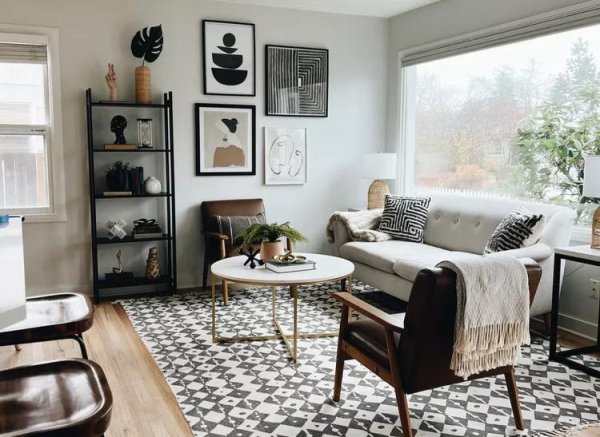
Art is a key element in any living room, adding visual interest and setting the tone. But Chelsea Jacobsen notes that it doesn't have to be expensive. She points to a wealth of online retailers offering affordable, stylish, and unique prints that can inject personality into a space. For a more eclectic look on a tight budget, she suggests print-your-own digital downloads paired with thrifted vintage frames. This approach allows homeowners to create a personalized gallery wall without the hefty cost of original pieces.
Cushions: Prioritize Durability Over Decoration
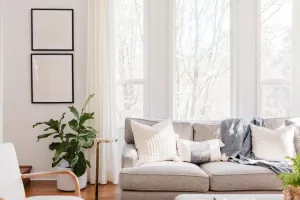
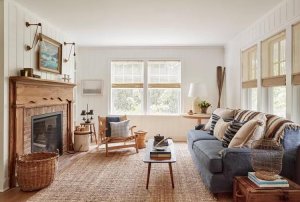
Ornate throw pillows may look appealing, but Giverny Simm warns they can be costly and impractical. Highly decorative pillows are prone to damage and require delicate cleaning, making them ill-suited for daily use. Instead, she recommends choosing cushions with interesting patterns or textures, such as linen or boucle, which offer visual depth and comfort while being far more resilient. Simm also notes that simpler designs tend to have more staying power, avoiding the quick obsolescence of trend-driven styles.
Open Shelving: A Clutter Magnet
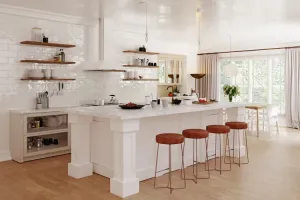
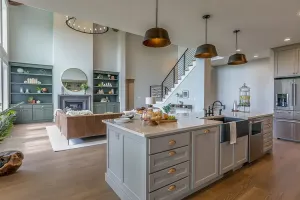
Pinterest-worthy open shelving can be tempting, but Agnes Agocs cautions that it often fails in real homes. Custom-built shelves with cabinets below come with a significant price tag, and even non-custom options can lead to unexpected costs if you feel compelled to fill them with decorative objects. Agocs points out that open shelves look cluttered unless meticulously curated, and most homeowners don't have enough coordinated pieces to display. She suggests displaying a few favorite decor objects on a media console or tables instead, keeping the look clean and personal.
Coffee Table Books: Props, Not Necessities
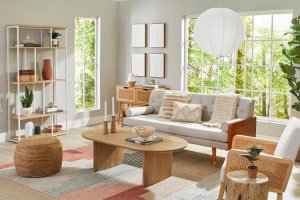
Coffee table books are a staple in styled magazine shoots, but Agocs calls them "pretty props" that aren't necessary for real-life homes. They take up space and offer little practical use. She advises decorating a coffee table with small plants, candles, or a discreet box for remote controls, which provides both visual appeal and functionality. However, she makes an exception: if you genuinely enjoy reading and flipping through the books, keep them on display—otherwise, skip them.
Rugs: Function Over Form
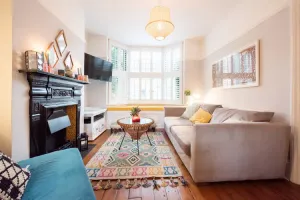
Area rugs bring warmth and cohesion to a living room, but Simm cautions against high-end options that are often high-maintenance. Living rooms are typically the most trafficked areas in a home, so durability should be the priority. She advises choosing rugs made from durable, easy-to-clean materials rather than delicate, high-maintenance ones. Washable rugs, she notes, are a practical and budget-friendly alternative, available in a wide range of styles to suit any decor.
For homeowners looking to refresh their living space, these designer insights offer a roadmap to saving money while maintaining a polished and functional room. By focusing on durability and personal style over luxury labels, it's possible to create a space that looks and feels great without overspending.