When preparing a home for the market, the difference between a quick sale and a lingering listing often comes down to what buyers see—and what they don't. Real estate professionals consistently point to a neutral, uncluttered space as the key to helping potential buyers imagine themselves living there. To that end, three industry experts have identified eight specific categories of items that should be removed before a home goes live.
The advice comes from Stacie Staub, co-founder and CEO of West + Main; Alan Taylor, a top-ranked Los Angeles realtor; and Andress Eichstadt, co-owner of BY Design Home Staging and CEO of Staging Studio. Their collective guidance is straightforward: clear out the personal, the bulky, and the potentially off-putting to create a blank canvas that appeals to the widest possible audience.
Personal Touches and Pet Traces
Family photos top the list, a familiar but often overlooked step. Staub, Taylor, and Eichstadt all agree that removing personal photographs helps make a home feel more neutral, allowing buyers to project their own lives onto the space. Similarly, pet-related items—litter boxes, food dishes, crates, beds, and toys—should be stashed away. As Staub puts it, “Stashing their gear and giving things a once-over for fur or scent helps the home feel fresh and universally inviting.”
Security Signals and Furniture Overload
Visible security cameras and decals might seem like a selling point, but experts say they can raise unnecessary concerns about neighborhood safety. Staub advises removing or concealing them to create a more welcoming first impression, allowing buyers to focus on the home's features rather than potential threats.
Bulky or excessive furniture is another common culprit. Taylor warns that “old bulky furniture or too much of it” can kill a buyer's emotional connection to a space. He recommends removing extra pieces to open up the floor plan and showcase the square footage.
Decor That Divides and Appliances That Raise Questions
Controversial or distracting decor—political, religious, or otherwise—should be cleared out to avoid alienating any buyer. Eichstadt includes taxidermy, religious iconography, and even sports team memorabilia, noting that she has seen buyers reject a home simply because it was decorated in the theme of a rival team. The goal is to appeal to the broadest audience possible.
Standing fans and space heaters, even if the HVAC system is in perfect condition, can signal potential problems to buyers. Eichstadt advises keeping these items out of sight once the home is on the market.
Clutter and Valuables
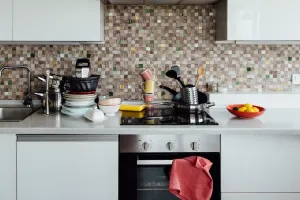
Clutter, in any form, is off-putting. Taylor emphasizes that clearing countertops, nightstands, and shelves leaves clean, minimal surfaces that show better. Everyday items like calendars, children's artwork, and fridge magnets may add warmth for the homeowner, but Staub notes they can look like clutter to buyers, making the space feel smaller and less adaptable.
Finally, and most critically, all valuables—jewelry, cash, important documents, sentimental items, and prescription medications—should be removed before showings. Staub points out that agents cannot monitor every visitor at all times, and removing temptation is the safest course. A storage unit or safe is recommended while the home is open for viewings.
By following these eight steps, sellers can create a clean, neutral, and inviting environment that helps buyers see the home's potential—and perhaps make an offer sooner rather than later.