When planning a bathroom remodel, understanding the electrical code is not just a formality—it's a safety necessity. The National Electrical Code (NEC), updated every three years (2014, 2017, 2020, etc.), sets the baseline for residential wiring standards, and most local building codes adopt its provisions. However, local jurisdictions can modify these rules, so it's crucial to consult your local building inspection office before starting any work.
The NEC has evolved to address the growing electrical demands in modern bathrooms, which now often include multiple lighting fixtures, vent fans, and a host of plug-in appliances. While older homes may not meet current standards, homeowners are generally not required to bring existing wiring fully up to code for routine repairs or minor remodels. For example, replacing a light fixture or outlet in an older bathroom that has a single circuit is typically allowed without adding new circuits. But when undertaking a major renovation that expands the bathroom's footprint, the latest code requirements apply.
Dedicated Circuits and Outlet Protection
One of the most significant changes in recent NEC editions is the requirement for at least two dedicated circuits in each bathroom. A 20-amp circuit must serve the receptacle outlets, and all receptacles must be both AFCI and GFCI protected—either via circuit breakers or individual outlets. A separate 15-amp (or often 20-amp) circuit powers the lighting and wall switches, and can also handle a vent fan or heat lamp. If you're installing a whirlpool tub or other large fixture, it needs its own dedicated circuit. While the NEC suggests these circuits serve only the bathroom, some local codes may allow them to extend to other rooms, so verifying with your local office is wise.
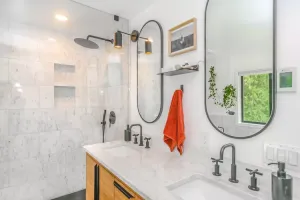
For outlets, the NEC specifies placement to minimize hazards: receptacles must be at least 1 foot from a sink and no more than 3 feet away, and they should be positioned outside a 3-foot horizontal and 8-foot vertical zone from the bathtub or shower threshold. Avoid placing outlets directly over the sink basin, as cords from hairdryers or shavers could dangle into water. While the minimum is one GFCI-protected outlet on a 20-amp circuit, most bathrooms have two to five receptacles, and adding a general-purpose outlet near the door for a vacuum cleaner is a practical touch.
Lighting, Ventilation, and Fan Requirements
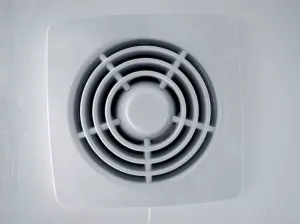
The NEC mandates at least one permanently mounted light fixture in a bathroom, which can be a ceiling light, a combination fan/light unit, or a vanity light. Many homeowners opt for multiple lighting sources—ceiling, vanity, and shower or fan-integrated lights—and any light in the shower must have a waterproof lens. Ventilation is another key requirement: most communities demand either an openable window or an electric vent fan that exhausts moisture outdoors. Some localities require a fan even with a window, and it's always a good idea to install one to prevent mold and mildew. The fan's power, measured in cubic feet per minute (CFM), should match your bathroom's square footage—check with your retailer for the right size. Depending on the fan's amperage, it may need its own circuit, and some codes require the fan to activate with the light.
Whether you hire a professional electrician or tackle the work yourself, staying informed about the NEC and local amendments is essential. A licensed electrician will know which upgrades are mandatory and which existing configurations can remain. For DIYers, the local building inspection office is an invaluable resource for guidance. While meeting current code is not always required for older bathrooms, bringing your remodel up to standard not only enhances safety but also adds appeal for future buyers.