Bidets, long a staple in European and Asian bathrooms, are slowly gaining ground in the United States as homeowners seek more sustainable and hygienic alternatives to toilet paper. While still considered a luxury by many Americans, these fixtures—which use a stream of water for post-toilet cleaning—are now available in a range of formats, from standalone units to simple attachments that retrofit existing toilets.
The environmental case for bidets is compelling. According to eco-conscious advocates, using a bidet can significantly reduce the amount of toilet paper consumed, thereby saving trees and the energy used in manufacturing. Additionally, bidets can cut down on water usage by reducing the need for frequent showers when a quick rinse suffices. In a country where bathroom habits are deeply ingrained, the shift toward bidets represents a growing awareness of resource conservation.
Globally, bidets are far more common. In Japan, where bathing is a revered ritual, nearly every home is equipped with a toilet that includes a built-in bidet, a feature that has also become a hallmark of luxury hotels worldwide. In Italy, bidet installation has been mandatory since 1975, making them a standard fixture in private and hotel bathrooms.
From Smart Toilets to Simple Attachments
For those interested in the benefits of a bidet but hesitant to undertake a full bathroom remodel, the market offers several practical alternatives. Smart toilets with integrated bidet functions are one option, combining the cleaning stream with features like built-in deodorizers, sensor-activated lids, and hands-free flushing. These high-tech units are increasingly popular in upscale bathroom renovations.
Bidet seats are another easy upgrade. These devices replace the existing toilet seat and, with the touch of a button, extend a small nozzle that sprays a stream of warm, aerated water. Many models include heated seats, air dryers, and energy-efficient tankless water heaters. For the eco-conscious, non-electric versions are available that rely solely on water pressure and tend to be more affordable.
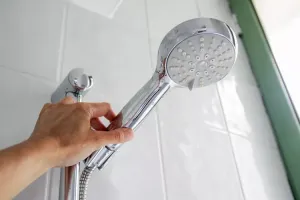
For a budget-friendly entry point, bidet attachments mount under the existing toilet seat and connect to the toilet's water supply line. They offer front, rear, and nozzle cleaning modes without requiring batteries or electricity, though the water is not heated. Handheld bidets, similar in price, resemble a shower spray and can be installed on virtually any toilet with an external water supply.
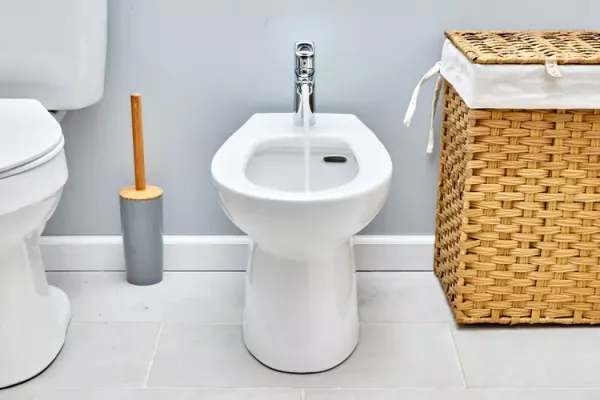
Standalone bidets, the original design, are porcelain fixtures that sit next to the toilet and feature water jets controlled by knobs for pressure and temperature. While they offer a traditional experience, they require more space and a higher installation cost.
Maintenance and Hygiene Considerations
Proper maintenance is crucial for bidet hygiene. As with any bathroom fixture, bidets must be kept clean to prevent bacterial growth. The nozzles, in particular, need regular sanitization to avoid contamination. Users should also be mindful of the water stream's direction and force, as improper use can potentially introduce bacteria or disrupt the body's natural balance.
Whether to wipe after using a bidet is a matter of personal preference. A good-quality bidet can eliminate the need for toilet paper, but some users may choose to pat dry with paper if the unit lacks a drying mechanism. Similarly, frequency of use varies—some individuals use the bidet after every urination, while others reserve it for bowel movements.
As bidets become more visible in the U.S. market, their reputation as a niche luxury is fading. With a variety of price points and installation options, they offer a practical way to reduce environmental impact while enhancing personal hygiene.