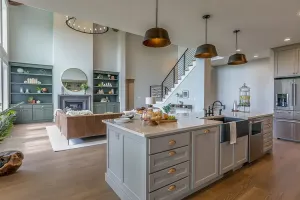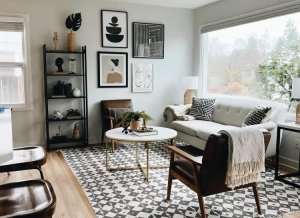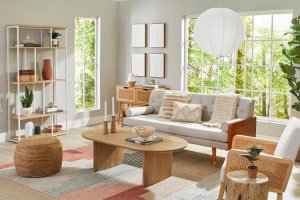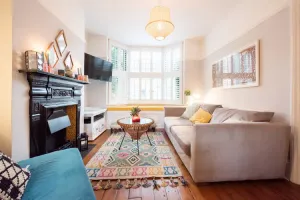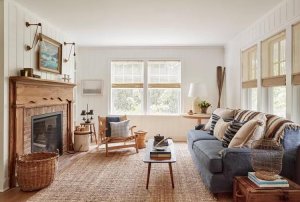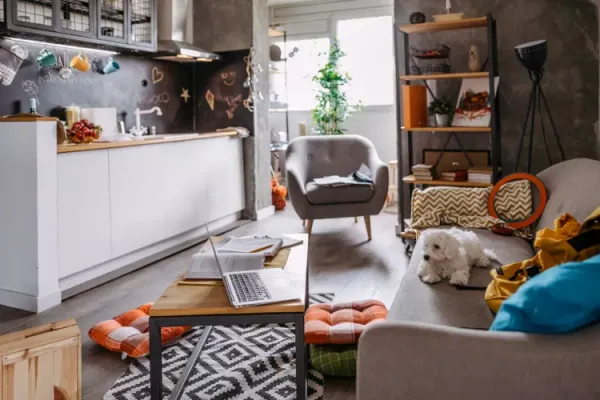
When a living room feels cramped, the culprit is often not the square footage but the design choices. Interior designers point to six recurring mistakes that visually shrink a space, from furniture that is out of proportion to a lack of visual layers. Correcting these errors can transform a tight room into an inviting area that feels more spacious and functional.
Sebastian Brauer, senior vice president of product design at Crate & Barrel, emphasizes that grounding a small space with larger statement pieces—such as a substantial bookcase or a comfortable sectional—can actually make the room feel larger and more deliberate. Shelby Van Daley, founder and principal designer of Daley Home, agrees, noting that fewer, larger pieces can make a compact area feel welcoming and open.
Scale and Circulation: The Primary Offenders
The most common mistake, according to designers, is incorrect scale. Carly Filbin, principal designer at Blue Jay Interiors in Texas, explains that oversized furniture can create the illusion of a more cramped area. Jessika Gatewood, owner and principal designer at Gatewood Designs, warns that a grand sectional that dominates a room can make it feel tight. Beyond the visual impact, furniture that is too large restricts traffic flow, making the space feel even smaller.
Poor furniture placement also contributes to a cramped feeling. Filbin advises planning for circulation, allowing room to move through the space and into the seating area. Gatewood suggests floating furniture away from the walls to create a sense of flow, and centering the seating area to leave a clear path around it. Van Daley recommends using an offset chair and ottoman to break up symmetry and add visual interest.
Clutter and Layers: The Balance of Decor
Clutter is another factor that can make any room feel smaller, regardless of its actual size. Filbin recommends keeping decorative accessories to a minimum in small spaces to avoid visual clutter. Gatewood suggests using multi-functional pieces, like a storage ottoman or a slim console, to maintain a clean, airy vibe. The principle is to keep only items that are both beautiful and functional, letting everything else fall away.
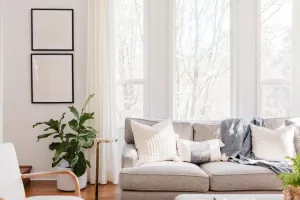
Layers, however, are not clutter. Brauer insists that good living rooms have layers—thoughtful combinations of wall colors, fabric patterns, rugs, and decorative pieces that complement each other. Adding curated decor in different materials, sizes, and textures adds dimension and personality without overwhelming the space.
Color Choices: The Impact of Palette
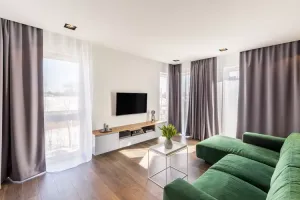
Color plays a significant role in how large a room feels. Brauer notes that using the same colors and textures throughout, including a monochromatic palette, can make a space feel smaller. He recommends varying shapes and textures, such as pairing an olive green sectional with a travertine and burl wood coffee table. Van Daley advises against accent walls, which draw the eye to a single point, and instead suggests painting all walls the same color to create a sense of expansiveness.
By addressing these six common errors—scale, circulation, clutter, layers, and color—homeowners can make their living rooms feel more spacious and comfortable. The key is to plan carefully, choose pieces that fit both the room and the lifestyle, and create a cohesive, layered design that invites relaxation.